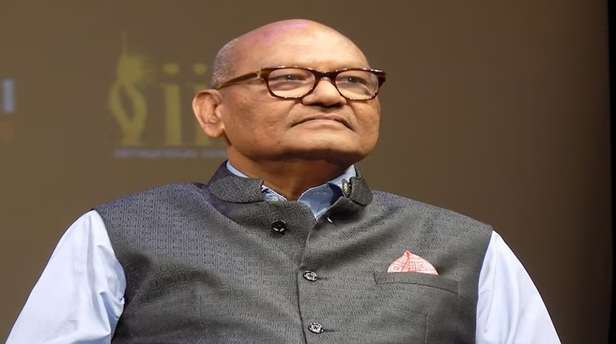

India’s mining and natural resources giant Vedanta Ltd is once again in the spotlight, and this time the reason is massive. The company is planning a major demerger that could completely transform its structure and potentially create huge wealth for investors. Led by billionaire chairman Anil Agarwal, Vedanta is preparing to split its business into five independent companies. This bold move has already created strong buzz in the stock market, with many investors wondering whether this could become the next big multibagger opportunity.
For years, Vedanta has operated as a diversified conglomerate with interests in metals, mining, oil and gas, and power. While diversification provides stability, it also creates complexity. Investors often find it difficult to understand how each segment is performing, and this leads to undervaluation. In simple terms, the market is unable to give Vedanta the full value it deserves because all businesses are combined into one structure. This is exactly the problem the company now wants to solve through its demerger plan.
The idea behind the demerger is simple but powerful. Instead of one large company managing multiple unrelated businesses, Vedanta will create five separate companies, each focusing on a single sector. These sectors include aluminium, zinc, oil and gas, steel, and power. Once the split is complete, each of these businesses will be listed independently on the stock market. This means investors will have the option to invest directly in the segment they believe in, rather than buying the entire conglomerate.
This move is expected to bring transparency and clarity. When companies operate independently, their financial performance becomes easier to track. Investors can clearly see which business is growing faster, which one is more profitable, and which one carries more risk. This transparency often leads to better investor confidence, and in many cases, higher valuations. That is why demergers are often seen as value-unlocking events in the stock market.



One of the biggest highlights of this announcement is the claim that Vedanta’s valuation could potentially double after the demerger. According to Anil Agarwal, the current structure is hiding the true value of the company’s assets. Different industries are valued differently in the stock market. For example, oil and gas companies often receive higher valuations due to their growth potential, while metal companies are considered cyclical and may get lower valuations during downturns. When all these businesses are combined, the overall valuation tends to remain suppressed. By separating them, each business can attract the right investors and command a better price.
Another important factor in this story is debt. Vedanta has faced criticism in the past for its high debt levels. Many investors were concerned about the company’s financial stability and repayment obligations. However, in recent years, the company has taken significant steps to reduce its debt. The parent company has already brought down its debt considerably, and after the demerger, the total debt will be spread across the new entities. This is expected to reduce financial pressure on any single business and improve overall stability.
Along with debt reduction, Vedanta is also focusing on strengthening its funding strategy. The company has been raising capital through various instruments, including non-convertible debentures. This helps in managing cash flow, refinancing existing debt, and reducing borrowing costs. A strong balance sheet is crucial for long-term growth, and Vedanta seems to be moving in that direction.
One of the most exciting parts of this entire story is Vedanta’s focus on the oil and gas sector. India is heavily dependent on energy imports, and this creates a massive opportunity for companies involved in domestic production. Vedanta’s oil and gas business aims to significantly increase its output over the next few years. The company has set an ambitious target of reaching around one million barrels of oil equivalent per day. If this goal is achieved, it could become a major growth driver and significantly boost the company’s valuation.
The demerger is not just about growth; it is also about efficiency. When businesses operate independently, they can make faster decisions and respond quickly to market changes. Each company will have its own management team, strategy, and goals. This level of focus often leads to better performance. Instead of a one-size-fits-all approach, each segment can adopt strategies tailored to its industry.
However, it is important to understand that this transformation will not happen overnight. The demerger process involves regulatory approvals, operational restructuring, and careful execution. Vedanta has already faced delays in the past due to legal and government-related challenges. Although major hurdles have been cleared, execution remains a key factor. If the company successfully completes the demerger, it could unlock significant value. But if there are delays or complications, it could create uncertainty in the market.
From a stock market perspective, the impact of this news can be divided into short-term and long-term effects. In the short term, the stock is likely to remain volatile. News updates, investor sentiment, and speculation can cause sudden price movements. Traders may benefit from these fluctuations, but the risk will also be high. In the long term, however, the outlook depends on how well the demerger is executed and how each business performs independently.
For investors, this situation presents both opportunities and risks.
On the positive side, the demerger could unlock hidden value, improve transparency, and create multiple growth-focused companies. It may also attract institutional investors who prefer investing in pure-play businesses. On the negative side, there are risks related to execution, commodity price fluctuations, and remaining debt concerns. The performance of metal and energy companies is closely linked to global market conditions, which can be unpredictable.
What should investors do in this situation?
The answer lies in adopting a balanced and disciplined approach. Instead of rushing to invest based on hype, it is better to wait for more clarity. Investors should carefully track announcements related to the demerger, understand the structure of the new companies, and evaluate their financial health. A staggered investment strategy, such as systematic investment, can help reduce risk.
Long-term thinking is crucial here.
The real benefits of this transformation may take time to materialize. Investors who are willing to stay invested for several years may benefit from the value unlocking process. However, those looking for quick profits may face disappointment due to short-term volatility.
Another important aspect to consider is promoter control. Even after the demerger, the promoter group is expected to retain a significant stake in each of the new companies. This ensures continuity in leadership and strategy. At the same time, it also means that corporate governance will remain an important factor for investors to monitor.
The big question remains: can Vedanta become a multibagger stock?
The answer is not straightforward. The potential is certainly there, especially if the demerger is executed successfully and the oil and gas business achieves its growth targets. However, risks cannot be ignored. Global economic conditions, commodity prices, and internal execution will play a crucial role in determining the outcome.
Conclusion
the demerger of Vedanta Ltd is a bold and strategic move that could reshape the company’s future. It has the potential to unlock value, improve efficiency, and create new opportunities for investors. At the same time, it comes with challenges that require careful handling. For investors, this is not just another stock market event, but a long-term story of transformation. Those who understand the risks and remain patient may benefit the most from this journey.
Disclaimer
This article is for educational purposes only and should not be considered financial advice. Please consult a financial advisor before investing.
FAQs
1. What is Vedanta demerger 2026?
Vedanta plans to split into five companies for better valuation and growth.
2. Will Vedanta stock double?
It has potential, but it is not guaranteed.
3. Is Vedanta a good stock to buy now?
It is suitable for high-risk, long-term investors.
4. What happens after demerger?
Shareholders will receive shares in new companies.