
Personal finance is the art and science of managing your money to meet both short-term and long-term life goals. It includes budgeting, saving, investing, planning for emergencies, and preparing for retirement. A strong understanding of personal finance helps individuals make informed decisions, reduce financial stress, and achieve financial security and independence over time.
Why Personal Finance is Important
Managing personal finance is not just about saving money; it’s about making your money work for you. Without a clear plan, income can be mismanaged, goals can be missed, and financial stress may increase.
Benefits of managing personal finance:
- Track income and expenses: Know exactly where your money goes each month.
- Plan for life goals: Short-term, medium-term, and long-term financial targets.
- Avoid debt traps: Borrow wisely and manage liabilities.
- Maximize returns: Make your money grow through smart investments.
- Financial security: Protect yourself and your family in emergencies.
Example: If you start saving ₹5,000 per month at age 25 with an annual return of 10%, by age 60, you could accumulate over ₹1.5 crore due to the power of compounding.
Budgeting and Expense Management
Budgeting is the foundation of personal finance. It ensures that your expenses do not exceed your income and helps you save consistently for your financial goals.
Steps to Create an Effective Budget
- Calculate monthly income: Include salary, freelance earnings, dividends, and any passive income.
- List all expenses: Separate them into fixed (rent, utilities) and variable (food, entertainment) costs.
- Allocate funds for savings: Aim to save at least 20% of income every month.
- Track spending: Use apps or spreadsheets to monitor expenses.
- Review monthly: Adjust allocations and cut unnecessary spending.
Tools to Track Expenses
- Mobile apps: Walnut, Money View, GoodBudget, YNAB
- Spreadsheets: Excel or Google Sheets for manual tracking
- Bank statements & UPI records: Ensure accuracy
Tip: Automating your savings ensures you save first before spending.
H2: Saving Strategies
Emergency Fund
An emergency fund should cover 3–6 months of living expenses. Keep it in a highly liquid account to handle unexpected events such as medical emergencies, job loss, or urgent repairs.
Short-Term vs Medium-Term vs Long-Term Savings
- Short-Term: Expenses like vacations, gadgets, or minor purchases. Use savings accounts or liquid funds.
- Medium-Term: Buying a car, wedding expenses, or home down payment. Consider recurring deposits (RDs) or balanced mutual funds.
- Long-Term: Retirement, children’s education, or wealth creation. Invest in PPF, SIPs, mutual funds, and ETFs.
Tips to Increase Savings
- Reduce unnecessary subscriptions
- Take advantage of cashback and reward programs
- Automate monthly savings
- Avoid lifestyle inflation
Investment Options in India
Investing helps your money grow faster than simple savings. Depending on risk tolerance and financial goals, you can choose from various investment options.
Fixed Deposits (FDs)
- Low-risk investment option
- Returns: 5–7% per annum
- Ideal for conservative investors
Recurring Deposits (RDs)
- Invest small amounts monthly
- Encourages disciplined saving
- Similar returns to FDs
Mutual Funds & SIPs
- Pool money into stocks, bonds, or other assets
- Systematic Investment Plans (SIPs) reduce market timing risk
- Types: Equity, Debt, Hybrid, ELSS
Stock Market Investments
- High potential returns but higher risk
- Suitable for those willing to learn and research
- Beginners should start with large-cap stocks
Real Estate
- Long-term investment for wealth creation
- Requires planning and patience
Loans and Debt Management
Types of Loans
- Personal Loans: Unsecured, high-interest
- Home Loans: Long-term, lower interest
- Education Loans: Tax benefits under Section 80E
- Auto Loans: Short to medium term
How to Manage Debt
- Prioritize high-interest debts first
- Avoid borrowing for luxury items
- Pay EMIs on time to maintain a good credit score
Credit Score Importance
- Range: 300–900; above 750 = excellent
- Factors: timely payments, credit utilization, loan history
- Helps secure loans at better interest rates

Want to Save Tax and Build Wealth in 2026?
Discover the 7 best tax saving investments for 2026 including…

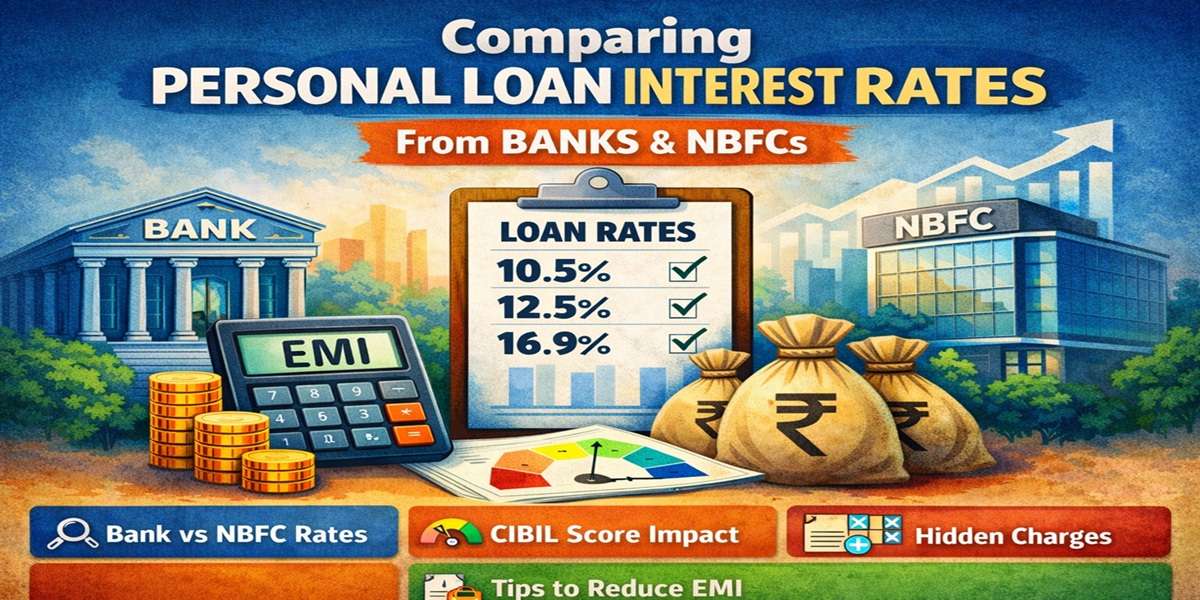
Comparing Personal Loan Interest Rates from Banks & NBFCs
Comparing personal loan interest rates can save you thousands of…

SIP vs Sukanya Samriddhi Yojana: Which Is Better for Your Child’s Future?
Compare SIP vs Sukanya Samriddhi Yojana with detailed 20-year calculations,…
Credit Card Mistakes That Can Ruin Your Financial Life
Credit cards are a convenient financial tool that can help…

Things to Know Before Taking a Personal Loan
Many people take personal loans during stressful moments — a…

Budget 2026: What Gets Cheaper and What Gets Costlier for Indians
Union Budget 2026 focuses on growth, inclusion, and reforms, bringing…
Insurance and Risk Management
Life Insurance
- Term insurance ensures financial security for family
- Avoid endowment plans initially; focus on pure term cover
Health Insurance
- Protects against medical emergencies
- Compare coverage, premiums, and hospital network
Other Insurance Options
- Home insurance
- Vehicle insurance
- Critical illness coverage
Tax Planning
Income Tax Basics
- Know current tax slabs in India
- Plan investments to reduce tax liability legally
Tax-Saving Investments
- ELSS (Equity Linked Savings Scheme)
- PPF (Public Provident Fund)
- Life insurance premiums
- NPS (National Pension Scheme)
Filing Taxes
- Online: Income Tax e-Filing portal
- Maintain documents: Form 16, bank statements, investment proofs
Retirement Planning
Importance of Early Planning
- Start early to leverage compound interest
- Even small monthly investments grow significantly over decades
Retirement Investment Options
- PPF, NPS, mutual funds, ETFs
- Diversify for stability and long-term growth
Pension and Annuities
- Provides regular income post-retirement
- Reduces dependence on market fluctuations
Digital Payments and Fintech
UPI Payments
- Instant, secure transactions
- Apps: Google Pay, PhonePe, Paytm
Digital Wallets
- Convenient for small payments and online purchases
- Examples: Paytm, Mobikwik, Amazon Pay
Fintech Apps for Investment
- Robo-advisors automate investing
- Track SIPs, mutual funds, and financial goals
Financial Goals and Planning
Short-Term Goals
- Vacation, gadgets, emergency fund
- Use liquid investments for easy access
Medium-Term Goals in personal finance
- Car, wedding, home down payment
- Use RDs, mutual funds, or conservative equity funds
Long-Term Goals
- Children’s education, retirement, wealth creation
- Invest in equity mutual funds, PPF, ETFs, and stocks
Disclaimer
This content is for educational purposes only. Personal finance decisions involve risk. Always do your own research or consult a financial advisor. TrendingAdda.in is not responsible for any losses from financial decisions.
What is personal finance and why is it important?
Personal finance is the art of managing your money wisely to achieve life goals. Proper planning reduces financial stress, helps you save for emergencies, grow wealth through investments, and secure a stable future. Even small disciplined steps now can create huge financial security in the long run.
How much should I save every month?
A good rule of thumb is to save at least 20% of your monthly income. If that’s difficult initially, start with 5–10% and gradually increase. Automate your savings to ensure consistency and reduce the temptation to spend.
Which investments are best for beginners?
For beginners, start with low-to-medium risk options:
Fixed Deposits (FDs) for safety
PPF for long-term tax-free growth
Mutual Funds / SIPs for market-linked returns
Avoid high-risk stocks or crypto until you understand the market.
How can I manage debt effectively?
Pay high-interest loans first (like personal loans or credit card dues)
Avoid borrowing for unnecessary luxuries
Maintain a good credit score by paying EMIs on time
Track debt in a spreadsheet or app to avoid surprises
How do I plan for retirement?
Start as early as possible. Use:
PPF and NPS for tax-efficient retirement planning
Mutual funds & SIPs for wealth growth
Set clear goals: how much income you’ll need post-retirement
Even small monthly investments grow significantly due to compounding
How can I save tax legally?
Invest in ELSS, PPF, NPS, or life insurance to claim deductions under Sections 80C and 80D
Plan your investments annually to maximize tax benefits
Keep proper investment proofs and receipts for filing
How do digital payments help in personal finance?
Monitor daily expenses
Avoid cash mismanagement
Track subscriptions, bills, and online spending
Use apps like Google Pay, PhonePe, or Paytm to maintain transaction records
What is the ideal emergency fund amount?
An ideal emergency fund is 3–6 months of living expenses. Keep it in highly liquid instruments like a savings account or liquid fund. This ensures you can handle sudden events like medical emergencies or job loss without dipping into investments.
How do I track my investments effectively?
Use apps like Groww, Zerodha Coin, Moneycontrol
Maintain a spreadsheet to track returns, goals, and allocation
Review quarterly to rebalance your portfolio according to risk tolerance