
Introduction
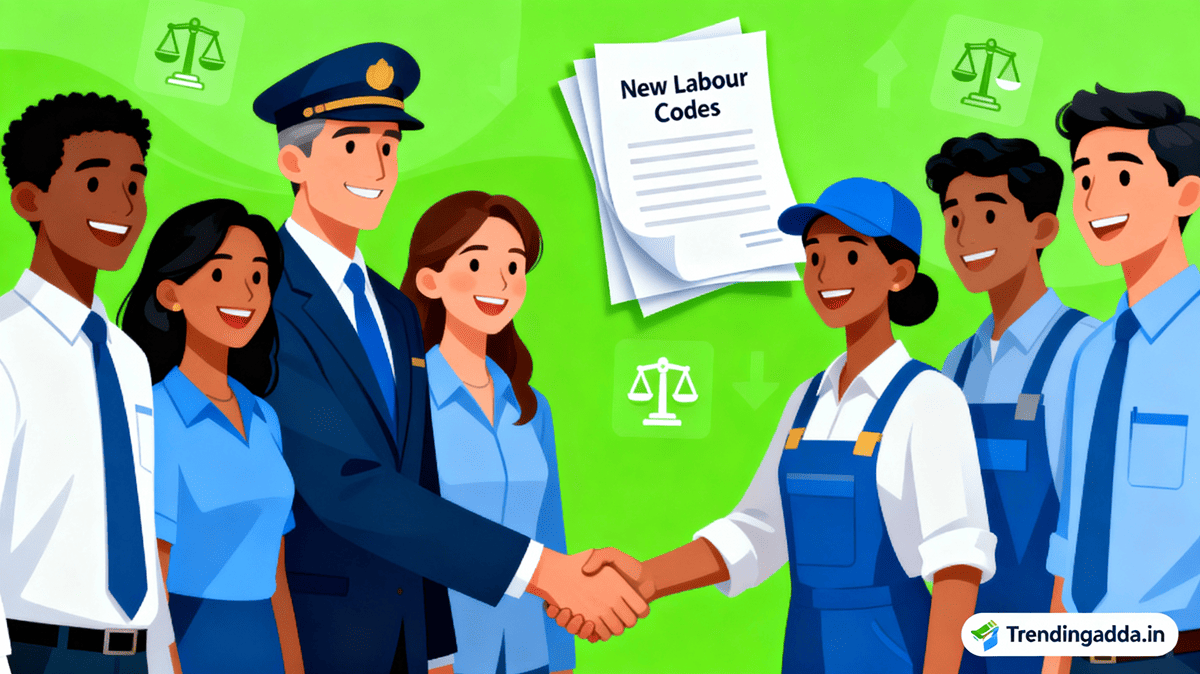
On 21 November 2025, the Government of India officially enforced four comprehensive Labour Codes, marking a historic overhaul by consolidating 29 previous central labour laws. EY Japan+2Business Standard+2
This reform aims to simplify regulations, strengthen worker protections, and adapt labour laws for modern working conditions. The Economic Times+1
What Are the Four Labour Codes?
The four new labour codes that came into force are: Worklaw® Network+1
- Code on Wages, 2019
- Industrial Relations Code, 2020
- Code on Social Security, 2020
- Occupational Safety, Health and Working Conditions (OSHWC) Code, 2020
These codes replace many of the older labour laws and are intended to create a unified, modern framework. The Economic Times
Key Changes and Provisions
Here are the major changes and how they impact workers and employers:
1. Code on Wages
- It redefines “wages” to include more components, making the calculation of minimum wages and benefits more transparent. Worklaw® Network+1
- Introduction of a national floor wage ensures a minimum wage level across the country. The Times of India+1
- Overtime pay must be double the regular wage, if someone works beyond standard hours. Reuters
- Timely payment of wages is enforced, and formal appointment letters are now mandatory for all workers. The Economic Times
2. Industrial Relations Code
- The code deals with trade unions, dispute resolution, strikes, lockouts, retrenchment, and standing orders. Worklaw® Network
- It raises the threshold for mandatory government approval for layoffs from 100 employees to 300, giving firms more flexibility. Reuters+1
- Fixed-term employment is formally regulated, providing more security and parity for contract workers. The Economic Times+1
3. Code on Social Security
- Social security coverage is expanded to unorganized workers, gig workers, and platform workers. Ministry of Labour & Employment
- The code defines gig workers legally, enabling them to be part of social security schemes. Ministry of Labour & Employment
- A Social Security Fund will be created to manage welfare schemes for these newly covered workers. Ministry of Labour & Employment
- Gratuity eligibility for fixed-term employees is improved — they can now be eligible after just one year. India Today
4. OSHWC Code (Safety, Health & Working Conditions)
- This code strengthens workplace safety standards, health checkups, welfare measures, and safety obligations for employers. Worklaw® Network
- Contractors will now follow stricter licensing and registration rules. EY Japan
- Women workers are now allowed to work night shifts under certain consent and safety conditions. India Today
- Work hours may range from 8 to 12 hours a day as long as the total does not exceed 48 hours per week. Reuters
- There will be a stronger focus on health: e.g., free annual medical checkups for workers above a certain age. India Today
Who Benefits — And How
🧑💼 For Workers
- Formalization: Many more workers will get formal appointment letters. The Economic Times
- Wages: Guaranteed minimum wage, timely payments, and better overtime conditions. The Times of India+1
- Social Security: Gig workers, platform workers, and unorganized sector workers will now have access to social security benefits. Ministry of Labour & Employment
- Gratuity: Fixed-term employees get eligibility for gratuity after one year. India Today
- Safety & Health: Better workplace safety, health checks, and welfare. Worklaw® Network
🏢 For Employers
- Simplified Compliance: Replacing 29 old laws with 4 codes makes regulation simpler. The Economic Times
- Layoff Flexibility: Higher threshold (300 employees) for mandatory government approval makes restructuring easier. Reuters
- Unified Definitions: Employers must adapt job contracts, wage structure, and worker classifications. Worklaw® Network
- Guidance-based Inspections: Inspectors will act more as facilitators than purely punitive enforcers. India Today
Challenges & Concerns
- Some labour unions worry that hire-and-fire will become easier with higher layoff thresholds. Reddit
- Effective implementation depends on state-level rules — not all states/UTs have notified the detailed rules yet. Ministry of Labour & Employment
- Small and medium businesses may face a financial burden to comply with new social security and safety norms. Worklaw® Network
- The success of the reform depends heavily on how well these codes are enforced, not just on paper.
What Leaders Are Saying
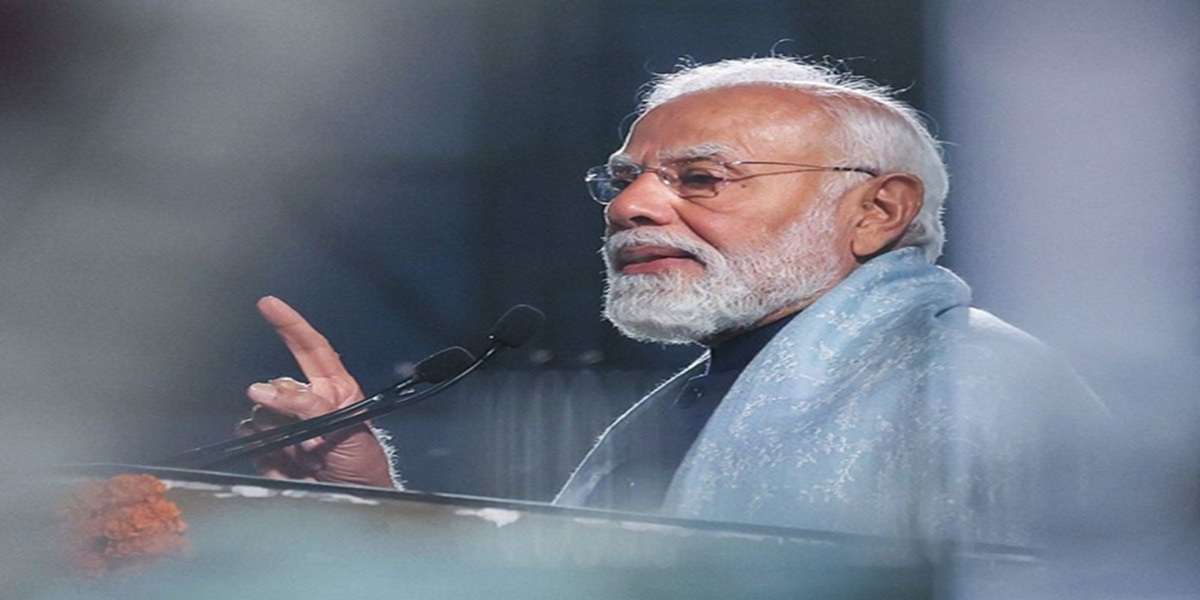
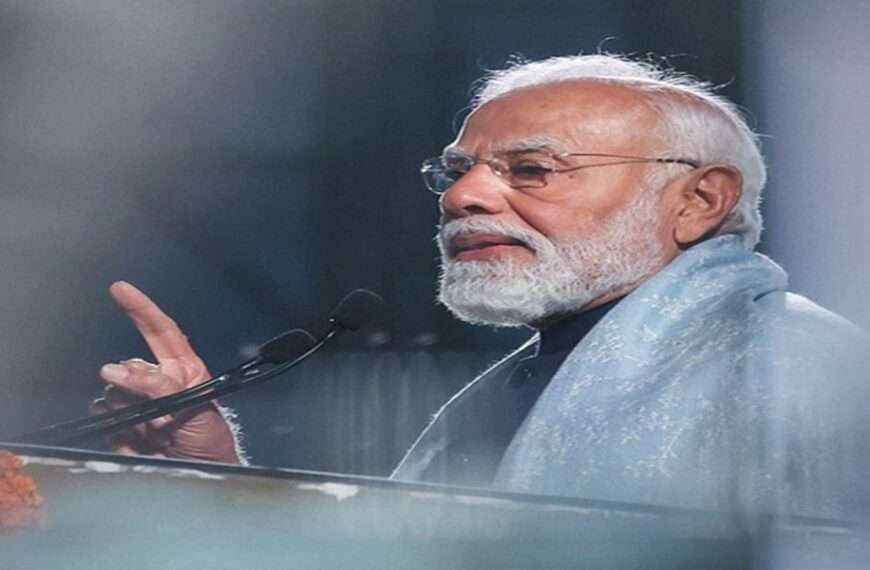
- Prime Minister Narendra Modi called this reform “one of the most comprehensive and progressive labour-oriented reforms since Independence.” www.ndtv.com
- He also highlighted that the new legal framework will ensure minimum and timely payment of wages, universal social security, and safe workplaces. The Economic Times
- The government aims for a “future-ready workforce” through these codes, emphasizing productivity and compliance. Business Standard
Final Thoughts
India’s four new Labour Codes represent a major labour reform that modernises decades-old laws and introduces stronger worker protections. While the benefits are significant—especially for gig workers, contract workers, and unorganized labour—the real impact will depend on implementation at both central and state levels.
For workers, these codes could mean more security, better pay, and formal employment terms. For employers, there’s a new compliance landscape, but also more clarity and predictability.
In short: this is a landmark step in India’s labour policy — but the true test lies in how it plays out in day-to-day workplaces.
What are the New Laboure Codes in India?
The New Labour Codes are four consolidated laws that replace 29 existing central labour laws to simplify regulation and improve protection for workers.
When did the Labour Codes come into effect?
The Labour Codes came into force on 21 November 2025.
What are the names of the four Labour Codes?
Code on Wages
Industrial Relations Code
Social Security Code
Occupational Safety, Health and Working Conditions (OSH) Code
Why were 29 laws merged into 4 codes?
To make compliance simpler, remove overlapping provisions, and create a uniform labour system across India.
Which types of workers are covered under the new laws?
Regular employees, contract workers, gig workers, platform workers, migrant labour, and unorganized sector workers.
How is the definition of wages changed?
Wages now follow a unified definition across most labour laws, helping standardize calculation of allowances, PF, bonus, and gratuity.
What is the minimum wage rule under the new system?
A national floor wage is introduced, and states cannot set their minimum wage below this benchmark.
How many working hours are allowed per day?
A standard of 8–12 hours is allowed, with a maximum of 48 hours per week.
Is overtime mandatory under the Labour Codes?
Yes. Any working hours beyond scheduled hours must be paid at not less than twice the regular wage.
Can women work night shifts under the new laws?
Yes, but employers must ensure safety measures and obtain consent from women employees.
Are appointment letters mandatory now?
Yes. Employers must issue formal and written appointment letters to all workers.
How has the retrenchment threshold changed?
Industrial establishments now need government approval for layoffs only if they employ more than 300 workers, instead of the earlier limit of 100.
Are gig and platform workers included in social security?
Yes. Gig and platform workers are officially recognized and eligible for social security benefits funded through a social security fund.
How does the new law affect gratuity eligibility?
Fixed-term employees can become eligible for gratuity after one year instead of five years.
What is the main focus of the OSH Code?
Ensuring workplace safety, welfare, health checks, compliance monitoring, and better licensing norms.
Are annual medical checkups compulsory?
Yes. Workers must be provided periodic or annual medical exams, depending on job category and industry.
How are inspections managed under the new system?
Inspections may be computerized, randomized, and risk-based, with officers acting partly as facilitators to ensure compliance.
How do the new laws affect small businesses?
Compliance becomes more streamlined, but some may face additional costs due to mandatory benefits and safety standards.
Do the Labour Codes apply equally across all states?
Implementation depends on each state issuing detailed rules, so timelines may differ.
Are workers and unions opposing any provisions?
Some unions object to higher retrenchment limits and believe flexibility may reduce job security




 www.binance.info рестраця says:
  www.binance.info prijava says: